

Description
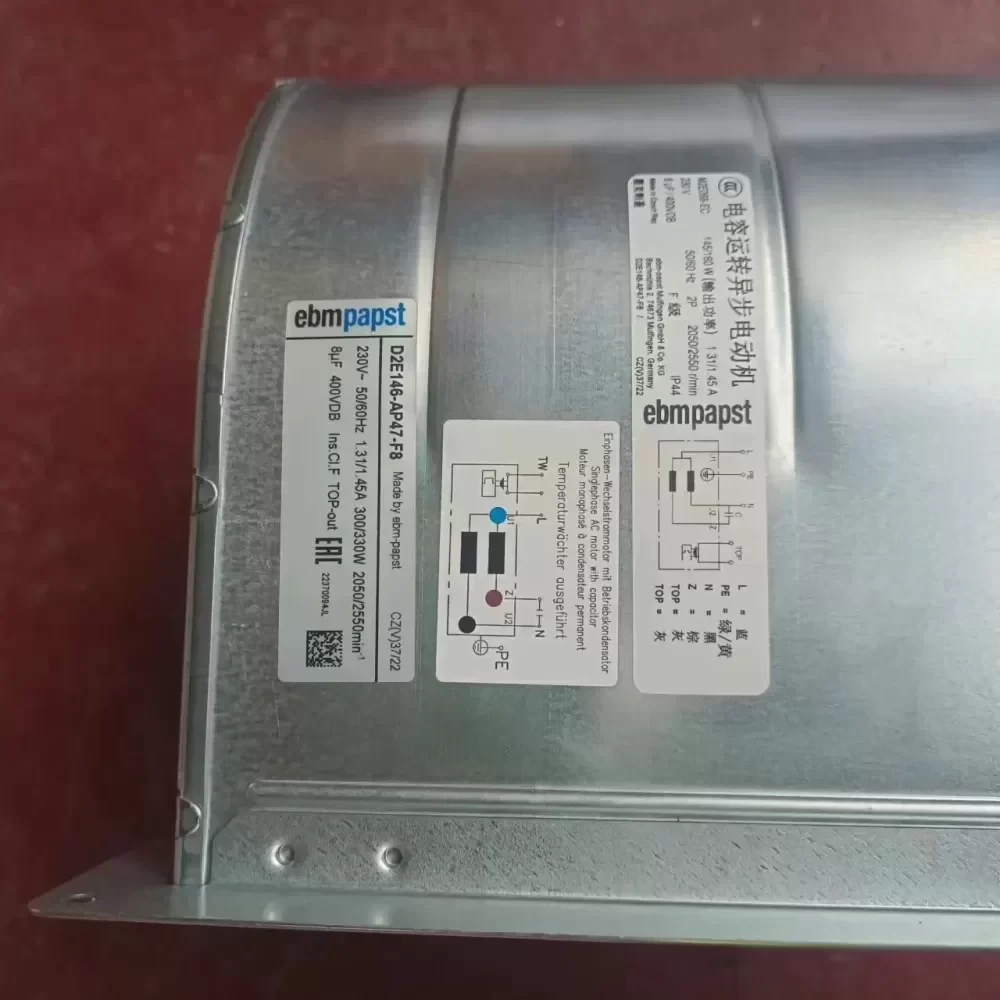
The D2E146-AP47-F8 is an OEM-specified dual-inlet forward-curved centrifugal blower engineered by ebm-papst, specifically designed as a primary cooling turbine for ABB variable frequency drives (VFDs) and industrial inverter cabinets. This high-efficiency AC fan ensures optimal thermal management for critical power electronics, preventing derating and extending the operational lifespan of high-load drive systems.
Technical Specifications:
Manufacturer: ebm-papst (for ABB)
Model Number: D2E146-AP47-F8
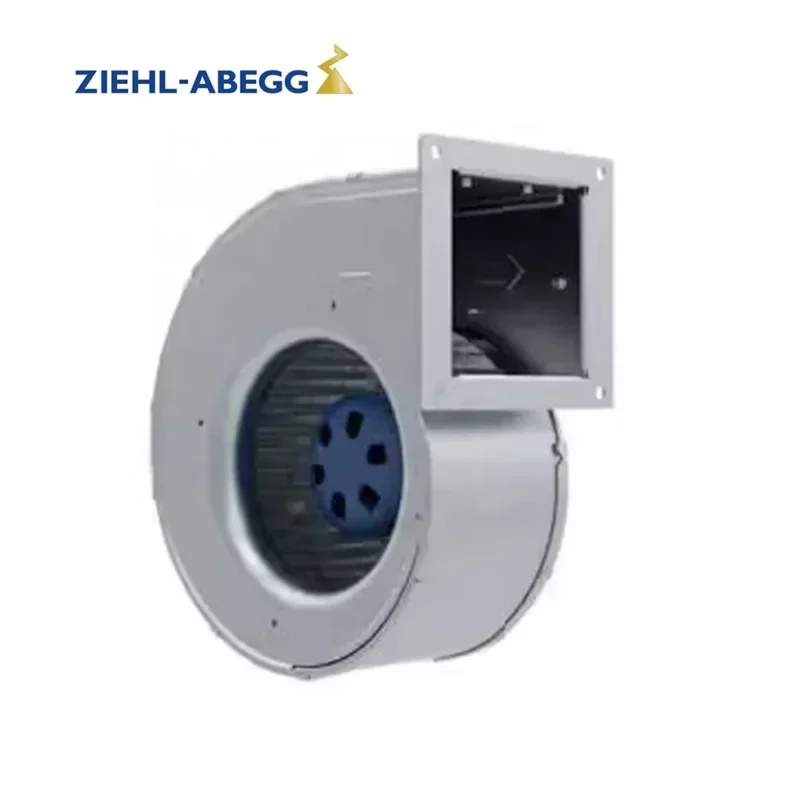
Fan Type: Centrifugal Blower, Forward Curved, Dual Inlet
Impeller Diameter: Ø 146 mm
Motor Type: AC Single-Phase, 2-Pole
Nominal Voltage: 230 VAC
Frequency: 50 / 60 Hz
Nominal Speed: 2150 RPM
Power Consumption: 140 W
Maximum Airflow: 550 m³/h
Motor Bearing: High-precision ball bearing
Protection Rating: IP44
Insulation Class: F
Operating Temperature: -25 °C to +60 °C
Weight: 2.8 kg
Housing Material: Galvanized sheet steel
Impeller Material: Galvanized sheet steel
Original Engineering and Technical Compatibility:
This unit represents the pinnacle of Original Engineering, ensuring exact drop-in replacement capability for ABB drive cooling systems without the need for mounting modifications or electrical retrofitting. Maintaining strict Technical Compatibility with ABB control architectures, the D2E146-AP47-F8 guarantees the precise airflow impedance matching required by OEM thermal dissipation models. We maintain an optimized Lead Time for this critical spare part to minimize costly downtime in continuous-process facilities.
Industrial Application Scenario:
The D2E146-AP47-F8 is deployed in heavy-duty motor control centers, specifically within ABB ACS series frequency converters operating in harsh environments like pulp and paper mills, metal processing plants, and water treatment facilities. Its dual-inlet design maximizes volumetric flow within the confined geometry of the drive chassis, actively purging heat generated by IGBT modules and DC link capacitors to maintain junction temperatures well below critical failure thresholds.
Reviews
There are no reviews yet.